
By Pam sander
Storyteller and owner of LaMonaGirl Shop
If I don’t make it as a reseller, I’m told it will be because I get too wrapped up in the stories. For example, today my sister added 12 items to her EliteFindByCindy store and has stopped for the day to make dinner. I have added two items to my store, done some research on a vintage Tommy Bahama skirt set, placed an online estate auction bid on a beautiful Leslie Fay Original dress, and am eating Lay’s Cuban Sandwich potatoes chips for dinner at my desk.
I do get caught up in the story and sometimes choose clothing based on the story, not the potential profit margin. I spent 30 years in newsrooms where we did not have sales expectations, only stories to be told.
Recently, while sourcing, I was drawn to a Liz Claiborne pants suit. My sister wondered why. The profit margin for Claiborne resales is low to non-existent. It spoke to me, I said — it’s a linen blend that doesn’t wrinkle so quickly, a jacket and pants that both have pockets, and it’s plus-size from a time when professional clothes were not readily available in larger sizes.
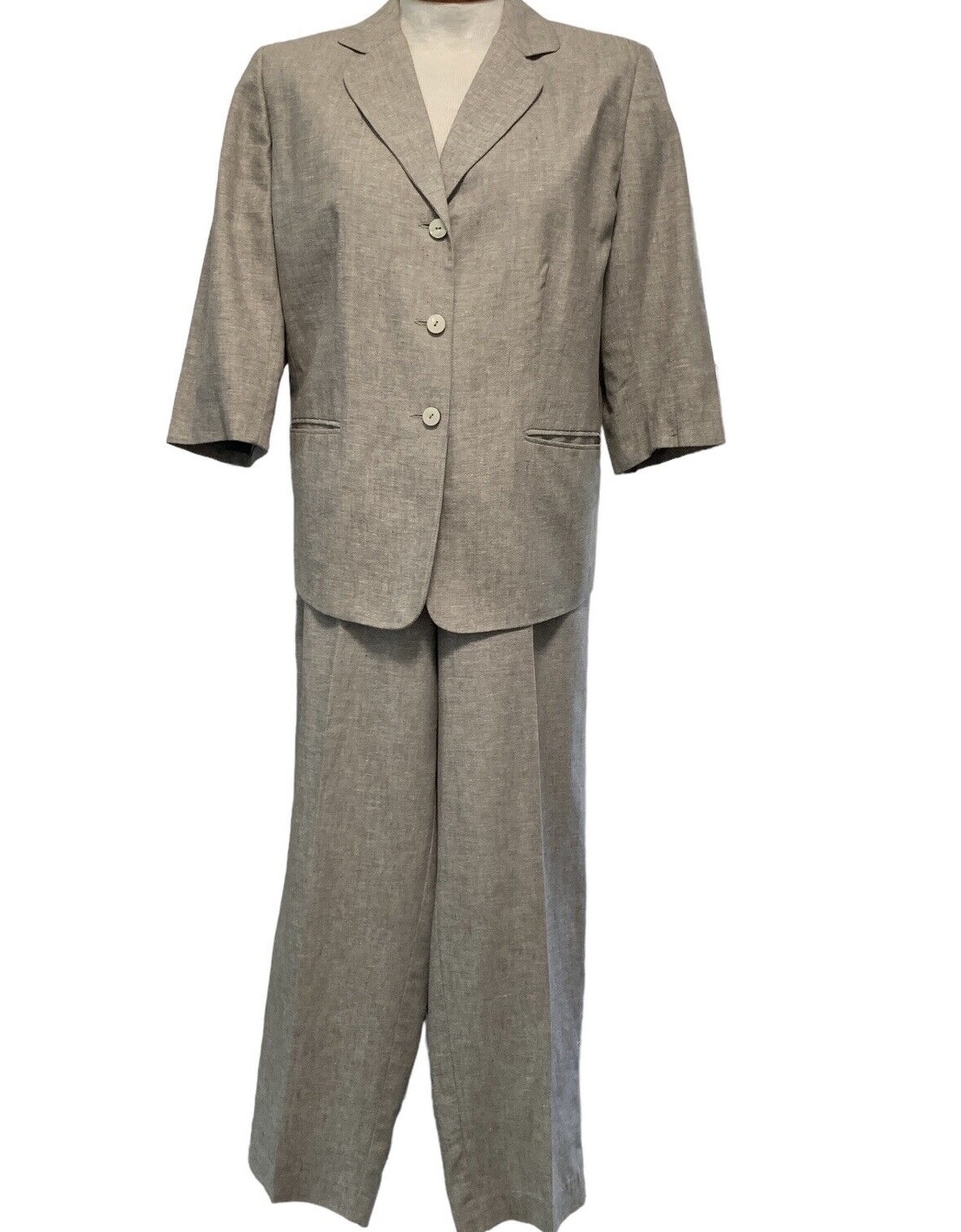
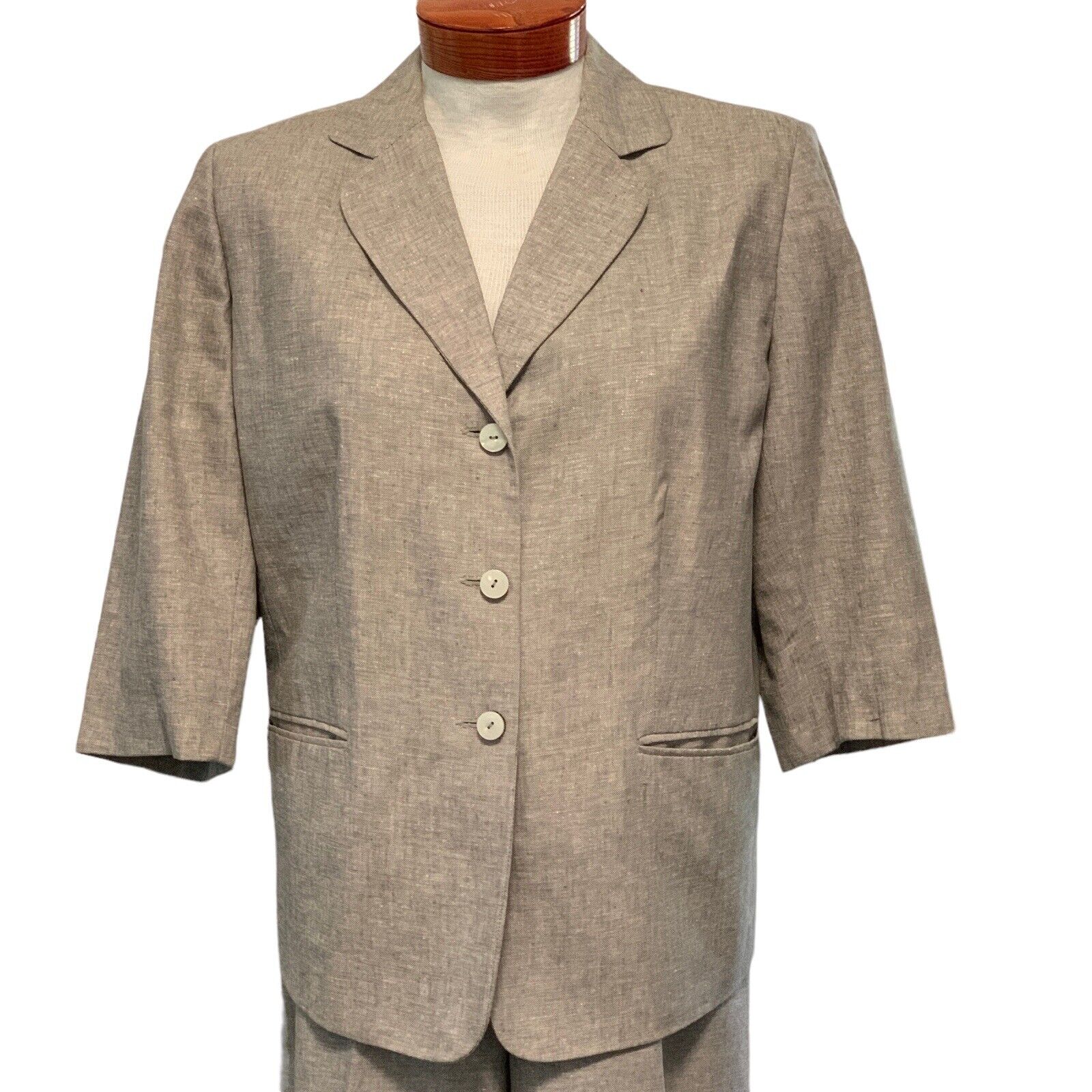
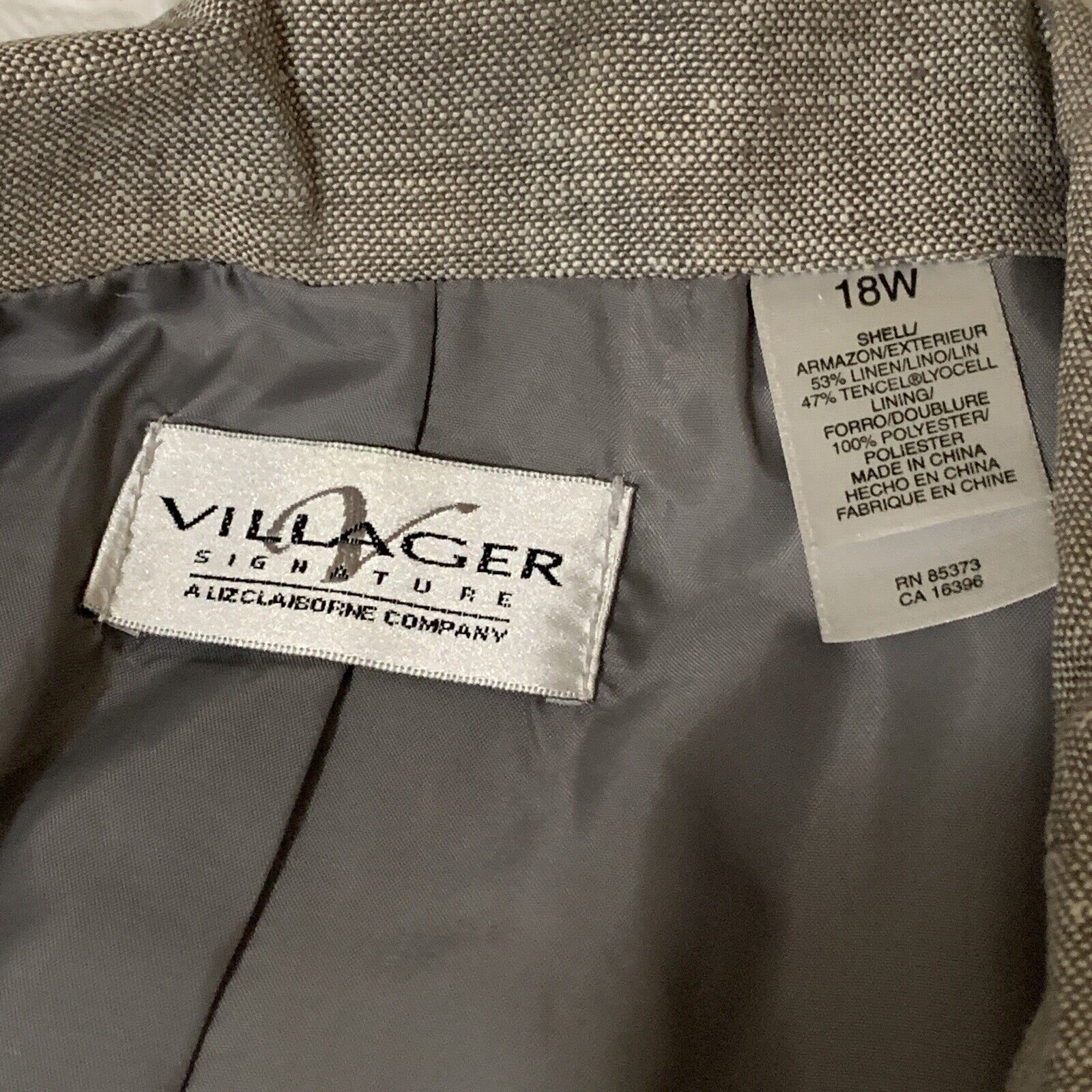
The Villager Signature suit from Liz Claiborne Co. is a wonderful blend of linen and tencel, with a polyester lining. The jacket is a size 18W, the pants a size 16W.
My research on the Villager Signature suit led me to its release date, circa 1992, and a wonderful fact: Liz Claiborne Co. was the first company founded by a woman to make the Fortune 500 list.
Claiborne had launched her brand with two others in the mid-1970s, after the male-dominated fashion houses would not support her vision for the new working woman. The trio pooled together $50,000 in savings and $200,000 in loans from friends and family, then set out to reach women entering the job market en mass — not the executive roles (women hadn’t gotten there yet), but the cubicle dwellers, the saleswomen, and yes, the journalists. Claiborne’s first year in business saw $2 million in sales. By the end of the third year, it had topped $23 million.
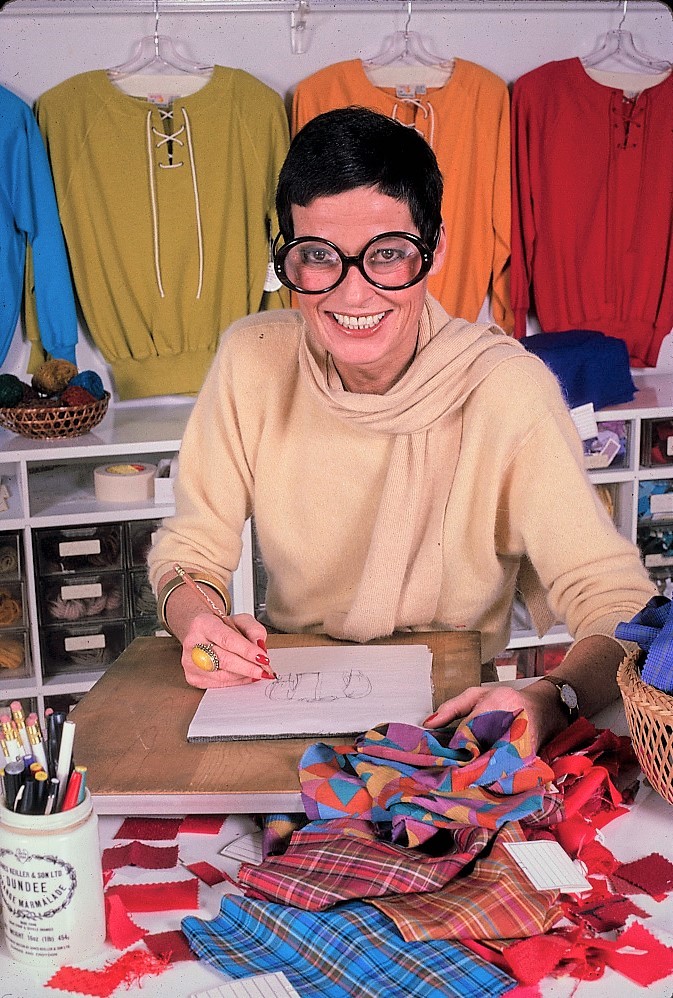
Claiborne revolutionized the fashion industry. She was hands-on every day, bringing her vision to life. She created separates that could mix and match for work and life, giving 1980s women something to wear besides house dresses (though I do love kaftans). I wore her all the time, business separates and sportswear, from Macy’s, Belk and JC Penney.
She changed how retail operated, insisting national retailers give her brand its own section instead of organizing the store by garment type. She was among the first to offer plus sizes. She launched the careers of other designers.
As so often happens, Liz’s story swayed my decisions. I wanted to include her designs in my shop. So in addition to the linen Signature Claiborne suit, LaMonaGirl now has a vintage, silk-blend Claiborne career button-up shirt that’s splendidly soft; and a pair of linen career pants, new with tags, in a nearly Tar Heel shade of blue.
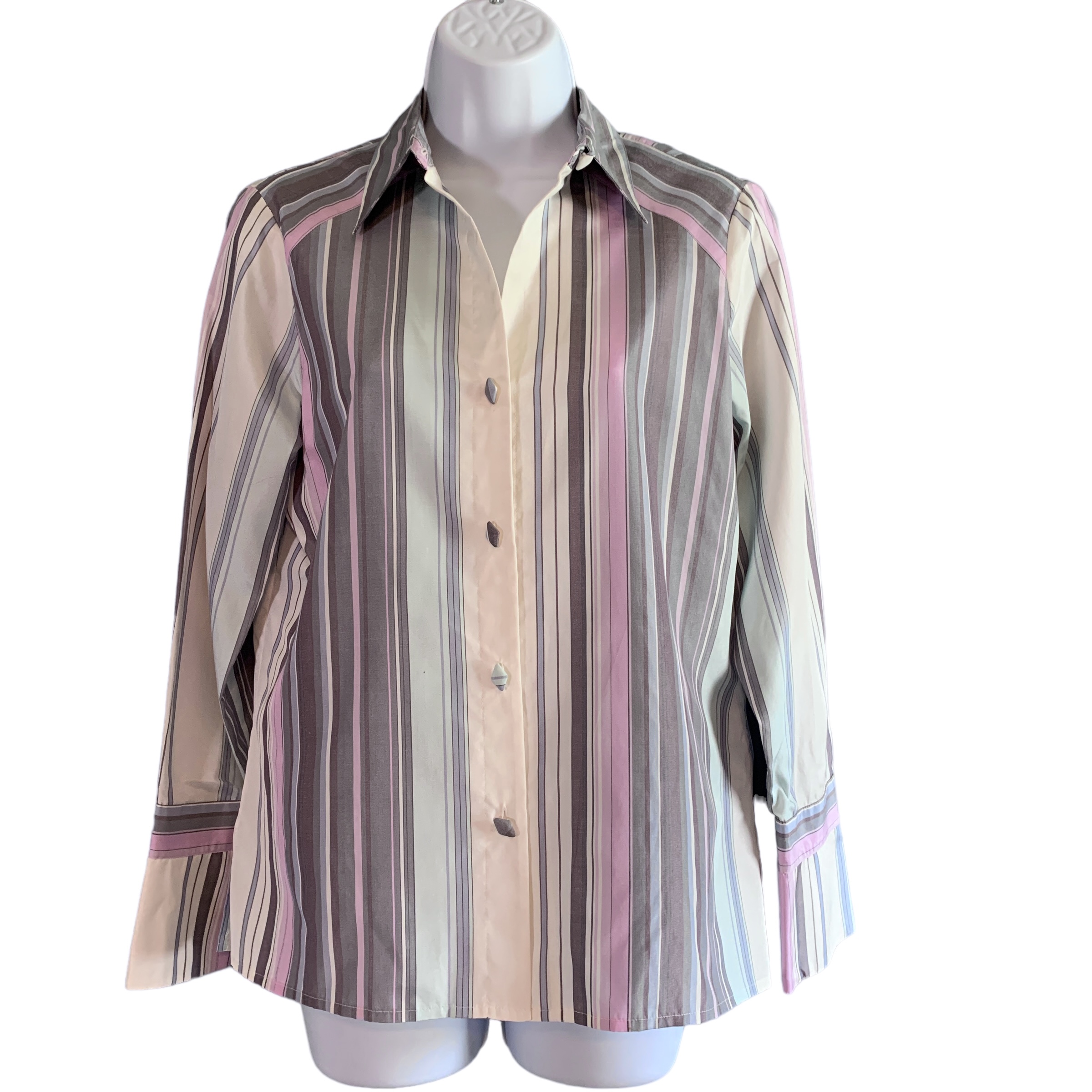

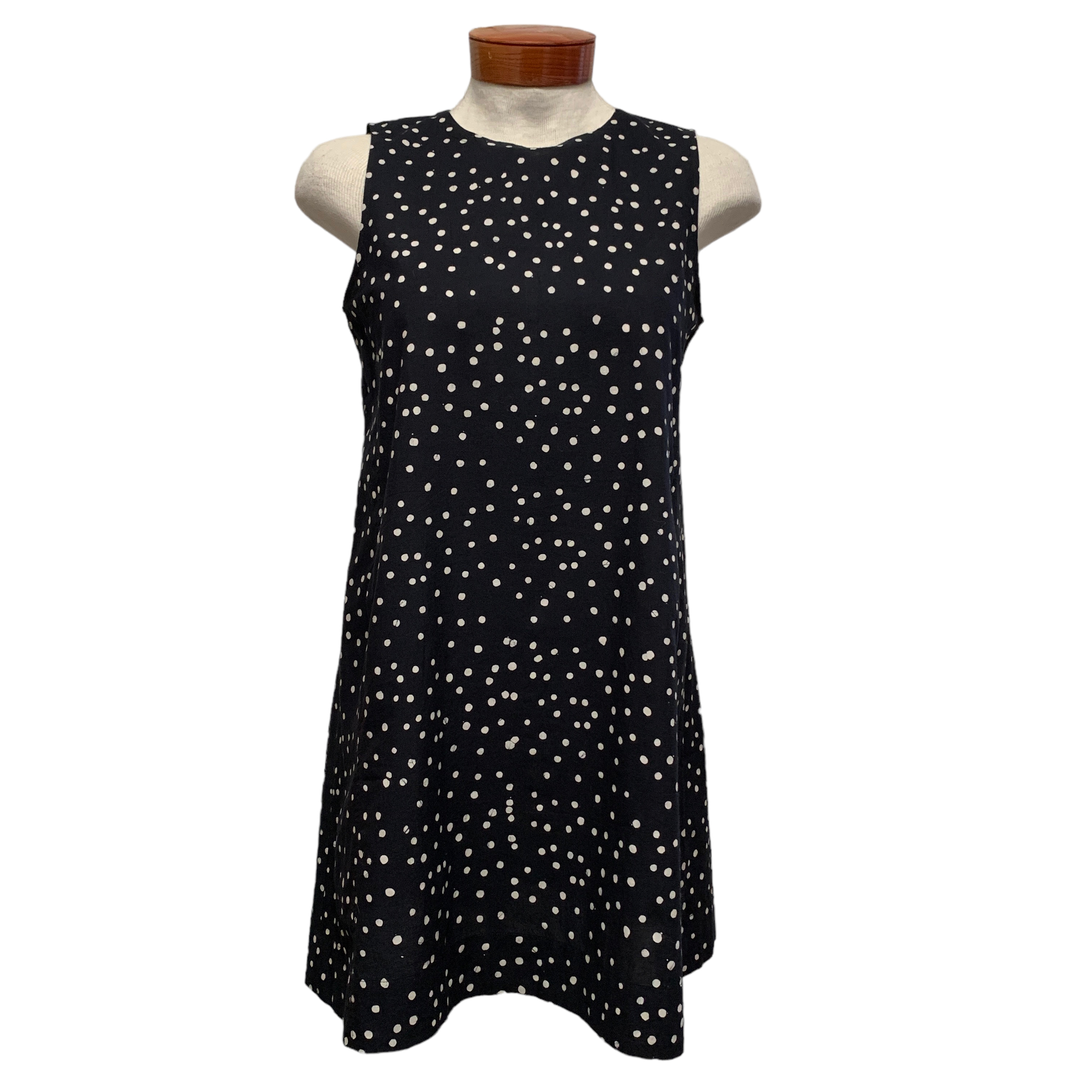
These pieces in LaMonaGirl Shop are reflective of Liz Claiborne’s classic style: A vintage silk-cotton blend career blouse; linen-cotton blend, non-wrinkle pants; and shift dress with pockets, suitable for workwear and a friend’s wedding.
Last week, my niece and her family visited on vacation, and I shared the Liz story (there’s so much more, including that Liz was a descendant of the first governor of Louisiana – thank you, Ancestry.com). My niece listened to my excitement, then pulled out a black-and-white, polka dot Claiborne dress she purchased for a friend’s wedding more than a decade ago. It had been gathering dust in her closet, she said, so she brought it just in case I thought it worthy to list. Be still, my heart. It’s on the site now, too.
Fittingly, when Claiborne left the day-to-day operations of her company in 1989, it was the largest women’s apparel maker in the country, with $1.4 billion in sales, according to her obituary in the New York Times. She had stood up for the value of women and their needs and we reciprocated. She and her husband, company co-founder Arthur Ortenberg, spent the next nearly 20 years giving back, through environmental causes, until her death in 2007. She was 78.
You’ll the find the clothes mentioned here in LaMonaGirl Shop on eBay / Etsy / Poshmark / Mercari.
 LAMONAGIRL.com
Leave a comment